Countries where the most people lack safe drinking water
The 149 countries with a 2024 estimate, ranked by how many people did not have safely managed drinking water, the most people first.
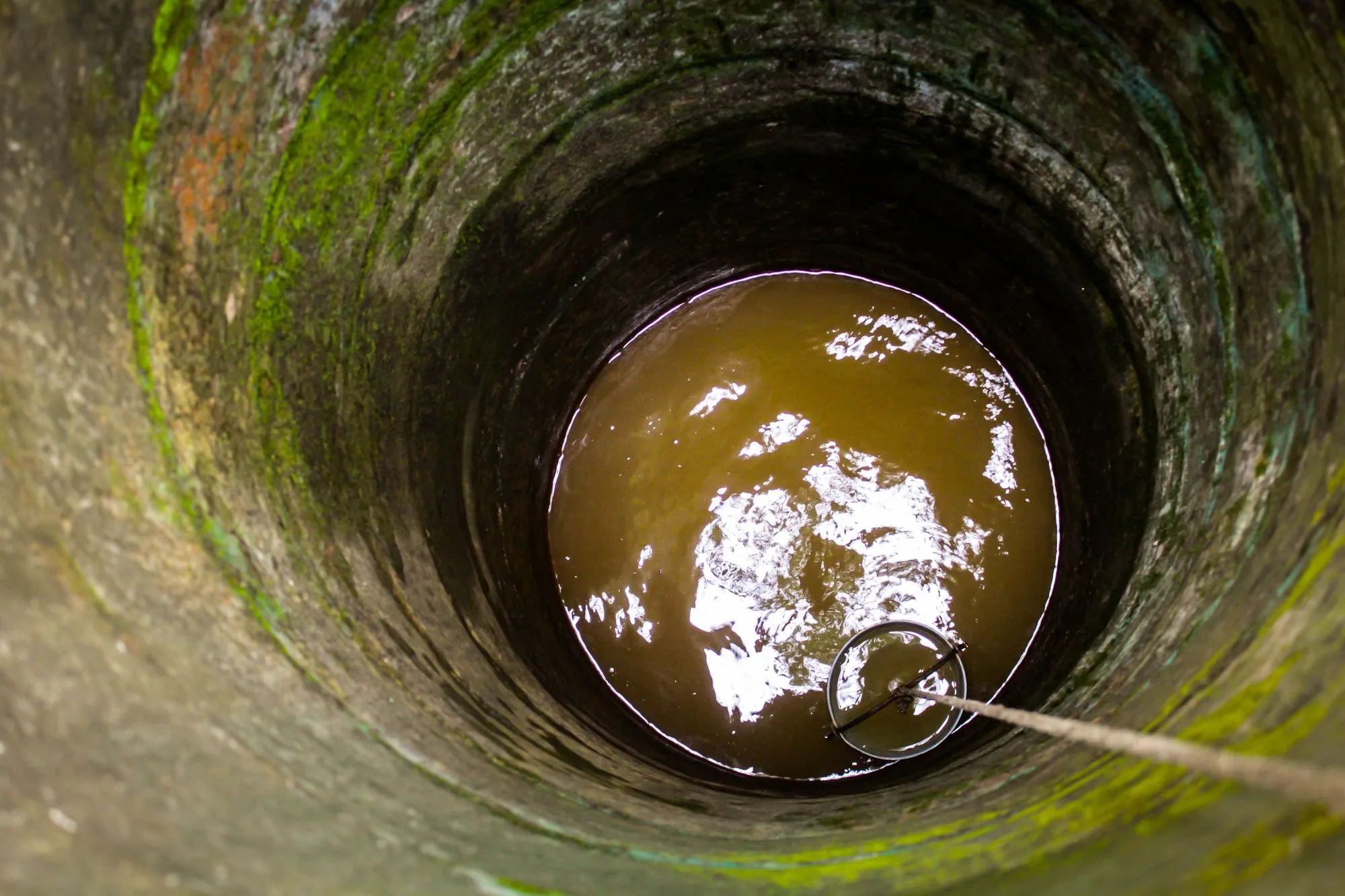
Safely managed drinking water is the highest level of service: water from an improved source that is on the premises, available when needed and free from faecal and priority chemical contamination. A person without it may still have a protected source, but not a supply that is reliably safe.
The table counts people, not shares, so large countries come first. India tops it with 341.8 million people without safely managed drinking water, followed by Indonesia with 197.1 million and Nigeria with 163.1 million. The chart shows the first ten, and the figures below the table give each of them in detail.
Key figures
People without safely managed drinking water, by country, 2024
Rank 1 has the most people without it. The figure is calculated: each country's 2024 population multiplied by the share of its people who did not use safely managed drinking water, in millions, rounded to one decimal. Countries with no 2024 estimate, China among them, are not ranked.
| Rank | Country | Millions of people without safely managed drinking water in 2024 (calculated) | Year |
|---|---|---|---|
| 1 | India | 341.8 | 2024 |
| 2 | Indonesia | 197.1 | 2024 |
| 3 | Nigeria | 163.1 | 2024 |
| 4 | Pakistan | 138.3 | 2024 |
| 5 | Ethiopia | 114.2 | 2024 |
| 6 | Democratic Republic of the Congo | 96.3 | 2024 |
| 7 | Mexico | 74.6 | 2024 |
| 8 | Bangladesh | 70.9 | 2024 |
| 9 | Philippines | 59.7 | 2024 |
| 10 | United Republic of Tanzania | 47.1 | 2024 |
| 11 | Viet Nam | 41.8 | 2024 |
| 12 | Uganda | 41.0 | 2024 |
| 13 | Russian Federation | 34.1 | 2024 |
| 14 | Afghanistan | 29.6 | 2024 |
| 15 | Mozambique | 25.1 | 2024 |
| 16 | Madagascar | 24.9 | 2024 |
| 17 | Nepal | 24.8 | 2024 |
| 18 | Egypt | 24.5 | 2024 |
| 19 | Brazil | 24.1 | 2024 |
| 20 | Myanmar | 22.0 | 2024 |
| 21 | South Africa | 20.5 | 2024 |
| 22 | Côte d'Ivoire | 20.3 | 2024 |
| 23 | Ghana | 19.6 | 2024 |
| 24 | Chad | 19.0 | 2024 |
| 25 | Iraq | 18.5 | 2024 |
| 26 | Malawi | 17.7 | 2024 |
| 27 | Peru | 17.3 | 2024 |
| 28 | Algeria | 14.5 | 2024 |
| 29 | Colombia | 13.6 | 2024 |
| 30 | Senegal | 13.5 | 2024 |
| 31 | Zimbabwe | 12.4 | 2024 |
| 32 | Cambodia | 12.3 | 2024 |
| 33 | Benin | 11.9 | 2024 |
| 34 | Sri Lanka | 11.6 | 2024 |
| 35 | Guatemala | 9.4 | 2024 |
| 36 | United States | 8.3 | 2024 |
| 37 | Sierra Leone | 7.7 | 2024 |
| 38 | Morocco | 7.6 | 2024 |
| 39 | Togo | 6.7 | 2024 |
| 40 | Uzbekistan | 6.6 | 2024 |
| 41 | Dominican Republic | 6.2 | 2024 |
| 42 | Ecuador | 5.5 | 2024 |
| 43 | Iran (Islamic Republic of) | 5.1 | 2024 |
| 44= | Central African Republic | 5.0 | 2024 |
| 44= | Lao People's Democratic Republic | 5.0 | 2024 |
| 46 | Ukraine | 4.6 | 2024 |
| 47= | Tunisia | 4.3 | 2024 |
| 47= | Azerbaijan | 4.3 | 2024 |
| 49 | Poland | 4.1 | 2024 |
| 50= | Tajikistan | 3.7 | 2024 |
| 50= | Honduras | 3.7 | 2024 |
| 52 | Romania | 3.4 | 2024 |
| 53 | Lebanon | 3.0 | 2024 |
| 54 | Paraguay | 2.5 | 2024 |
| 55 | Mongolia | 2.0 | 2024 |
| 56= | Malaysia | 1.9 | 2024 |
| 56= | Italy | 1.9 | 2024 |
| 56= | Kyrgyzstan | 1.9 | 2024 |
| 59= | Guinea-Bissau | 1.7 | 2024 |
| 59= | Kazakhstan | 1.7 | 2024 |
| 61= | Japan | 1.6 | 2024 |
| 61= | Lesotho | 1.6 | 2024 |
| 61= | Serbia | 1.6 | 2024 |
| 64 | Gambia | 1.4 | 2024 |
| 65= | Canada | 1.3 | 2024 |
| 65= | Jordan | 1.3 | 2024 |
| 67 | Georgia | 1.1 | 2024 |
| 68= | Costa Rica | 1.0 | 2024 |
| 68= | State of Palestine | 1.0 | 2024 |
| 70 | Botswana | 0.9 | 2024 |
| 71 | Eswatini | 0.8 | 2024 |
| 72 | Albania | 0.7 | 2024 |
| 73= | Belarus | 0.6 | 2024 |
| 73= | Republic of Moldova | 0.6 | 2024 |
| 75= | Kosovo (UNSCR 1244) | 0.5 | 2024 |
| 75= | Fiji | 0.5 | 2024 |
| 75= | Oman | 0.5 | 2024 |
| 75= | Portugal | 0.5 | 2024 |
| 75= | Armenia | 0.5 | 2024 |
| 75= | Croatia | 0.5 | 2024 |
| 81= | North Macedonia | 0.4 | 2024 |
| 81= | Bosnia and Herzegovina | 0.4 | 2024 |
| 81= | Trinidad and Tobago | 0.4 | 2024 |
| 81= | Turkmenistan | 0.4 | 2024 |
| 81= | Republic of Korea | 0.4 | 2024 |
| 81= | Chile | 0.4 | 2024 |
| 87= | Guyana | 0.3 | 2024 |
| 87= | Vanuatu | 0.3 | 2024 |
| 87= | Spain | 0.3 | 2024 |
| 87= | Bhutan | 0.3 | 2024 |
| 87= | Suriname | 0.3 | 2024 |
| 87= | Switzerland | 0.3 | 2024 |
| 87= | Greece | 0.3 | 2024 |
| 94= | Czechia | 0.2 | 2024 |
| 94= | France | 0.2 | 2024 |
| 94= | Bulgaria | 0.2 | 2024 |
| 94= | Ireland | 0.2 | 2024 |
| 98= | Sao Tome and Principe | 0.1 | 2024 |
| 98= | Norway | 0.1 | 2024 |
| 98= | United Kingdom | 0.1 | 2024 |
| 98= | Qatar | 0.1 | 2024 |
| 98= | Germany | 0.1 | 2024 |
| 98= | Israel | 0.1 | 2024 |
| 98= | United Arab Emirates | 0.1 | 2024 |
| 98= | Austria | 0.1 | 2024 |
| 98= | Belgium | 0.1 | 2024 |
| 98= | Latvia | 0.1 | 2024 |
| 98= | Montenegro | 0.1 | 2024 |
| 98= | Tonga | 0.1 | 2024 |
| 98= | Lithuania | 0.1 | 2024 |
| 98= | Samoa | 0.1 | 2024 |
| 98= | Kiribati | 0.1 | 2024 |
| 113= | Puerto Rico | 0.0 | 2024 |
| 113= | Monaco | 0.0 | 2024 |
| 113= | Bahrain | 0.0 | 2024 |
| 113= | Andorra | 0.0 | 2024 |
| 113= | Slovakia | 0.0 | 2024 |
| 113= | French Polynesia | 0.0 | 2024 |
| 113= | Nauru | 0.0 | 2024 |
| 113= | China, Macao Special Administrative Region | 0.0 | 2024 |
| 113= | Singapore | 0.0 | 2024 |
| 113= | New Caledonia | 0.0 | 2024 |
| 113= | Liechtenstein | 0.0 | 2024 |
| 113= | Northern Mariana Islands | 0.0 | 2024 |
| 113= | Estonia | 0.0 | 2024 |
| 113= | Tuvalu | 0.0 | 2024 |
| 113= | Hungary | 0.0 | 2024 |
| 113= | Malta | 0.0 | 2024 |
| 113= | Isle of Man | 0.0 | 2024 |
| 113= | Seychelles | 0.0 | 2024 |
| 113= | San Marino | 0.0 | 2024 |
| 113= | Slovenia | 0.0 | 2024 |
| 113= | Denmark | 0.0 | 2024 |
| 113= | Turks and Caicos Islands | 0.0 | 2024 |
| 113= | Saint Martin (French part) | 0.0 | 2024 |
| 113= | Guam | 0.0 | 2024 |
| 113= | New Zealand | 0.0 | 2024 |
| 113= | Kuwait | 0.0 | 2024 |
| 113= | Virgin Islands U.S. | 0.0 | 2024 |
| 113= | Gibraltar | 0.0 | 2024 |
| 113= | China, Hong Kong Special Administrative Region | 0.0 | 2024 |
| 113= | Sweden | 0.0 | 2024 |
| 113= | American Samoa | 0.0 | 2024 |
| 113= | Luxembourg | 0.0 | 2024 |
| 113= | Finland | 0.0 | 2024 |
| 113= | Iceland | 0.0 | 2024 |
| 113= | Cyprus | 0.0 | 2024 |
| 113= | Netherlands (Kingdom of the) | 0.0 | 2024 |
| 113= | Palau | 0.0 | 2024 |
The world
- In 2024, 2.1 billion people still lacked safely managed drinking water, including 106 million who drank directly from untreated surface sources.
- A safely managed drinking water service is water from an improved source that is accessible on premises, available when needed and free from faecal and priority chemical contamination.
The ten countries in detail
- India: 76.4% of its 1,450.9 million people used safely managed drinking water in 2024, leaving 341.8 million without.
- Indonesia: 30.5% of its 283.5 million people used safely managed drinking water in 2024, leaving 197.1 million without.
- Nigeria: 29.9% of its 232.7 million people used safely managed drinking water in 2024, leaving 163.1 million without.
- Pakistan: 45.0% of its 251.3 million people used safely managed drinking water in 2024, leaving 138.3 million without.
- Ethiopia: 13.5% of its 132.1 million people used safely managed drinking water in 2024, leaving 114.2 million without.
- Democratic Republic of the Congo: 11.9% of its 109.3 million people used safely managed drinking water in 2024, leaving 96.3 million without.
- Mexico: 43.0% of its 130.9 million people used safely managed drinking water in 2024, leaving 74.6 million without.
- Bangladesh: 59.1% of its 173.6 million people used safely managed drinking water in 2024, leaving 70.9 million without.
- Philippines: 48.5% of its 115.8 million people used safely managed drinking water in 2024, leaving 59.7 million without.
- United Republic of Tanzania: 31.3% of its 68.6 million people used safely managed drinking water in 2024, leaving 47.1 million without.
| Category | Million people with no clean, safe water at home |
|---|---|
| India | 341.8 |
| Indonesia | 197.1 |
| Nigeria | 163.1 |
| Pakistan | 138.3 |
| Ethiopia | 114.2 |
| Democratic Republic of the Congo | 96.3 |
| Mexico | 74.6 |
| Bangladesh | 70.9 |
| Philippines | 59.7 |
| United Republic of Tanzania | 47.1 |
What the numbers mean
Big countries top this table because they have the most people, not because their water is the worst. India has 341.8 million people without safely managed drinking water, yet 76.4% of its people have it. By share the picture is different: in the Democratic Republic of the Congo only 11.9% of people use safely managed drinking water, and in Ethiopia 13.5%.
Safely managed is a high bar. People counted as lacking it may still use a protected tap or well, but the water is not on their premises, not always available, or not tested as free from contamination. Worldwide, 2.1 billion people lacked it in 2024. China is not in this table because it has no 2024 estimate in the data.
Sources
- 1 in 4 people globally still lack access to safe drinking water - WHO, UNICEF
- Countries and regions (World Bank data API)
- Population, total, 2024 (World Bank data API)
- Progress on household drinking water, sanitation and hygiene 2000-2024: special focus on inequalities (WHO/UNICEF JMP)
- UNICEF data warehouse: WASH in households, JMP estimates for 2024 (WHO/UNICEF Joint Monitoring Programme)