Nepal Flood Recovery Faces Winter Test
Nepal flood recovery faces a US$30 million winter funding gap as UNICEF supports children and families affected by the August floods.
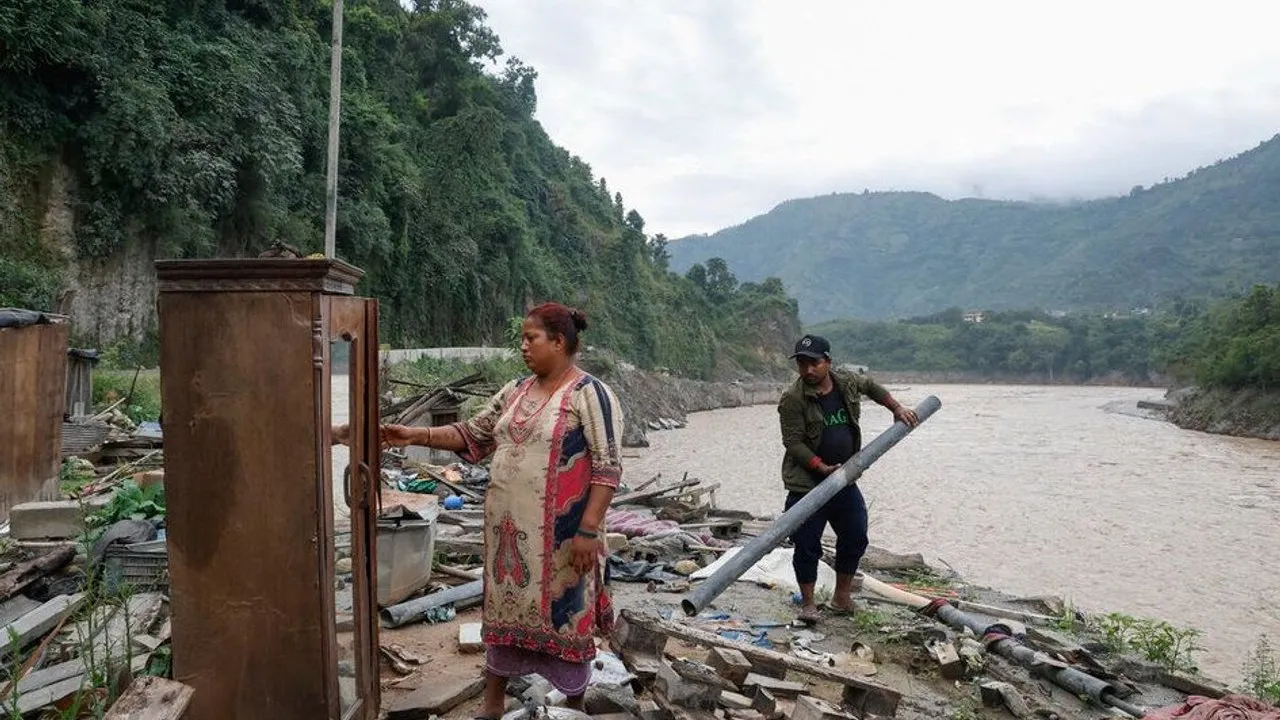
UNICEF is seeking US$47 million to support children and families affected by Nepal’s 26 August floods through winter, with around US$30 million still unfunded. The floods along the Bhote Koshi River affected an estimated 84,270 people, including 32,021 children. Thousands of homes were destroyed or damaged, and many families lost clothing, blankets and other household essentials. Winter temperatures in Nepal’s hills and mountains can fall well below freezing, reaching -12°C in some areas.
Children Face Winter Risks
Three months after the floods, many displaced families remain exposed to cold conditions while trauma, psychosocial distress and protection risks continue. Approximately 30,000 children require support to continue their education through safe learning spaces, rehabilitated classrooms and learning materials.
Alice Akunga, UNICEF Representative to Nepal, said:
“Children are still living with the consequences of the floods every day. Many have lost homes, schools, belongings and a sense of normalcy. As winter sets in, the risks facing children will only increase. No child should have to endure freezing temperatures because a disaster took away everything their family owned. Urgent support is needed now to help children stay warm, healthy, protected and learning through the winter months.”
Response Reaches Flood Affected Communities
UNICEF has worked with the government and partners to restore safe water, sanitation and hygiene services for more than 42,000 people. Its response has also reached almost 19,500 children and caregivers with mental health and psychosocial support, vaccinated 66,000 people against cholera, and supported children through 52 temporary learning centres and 35 child-friendly spaces.
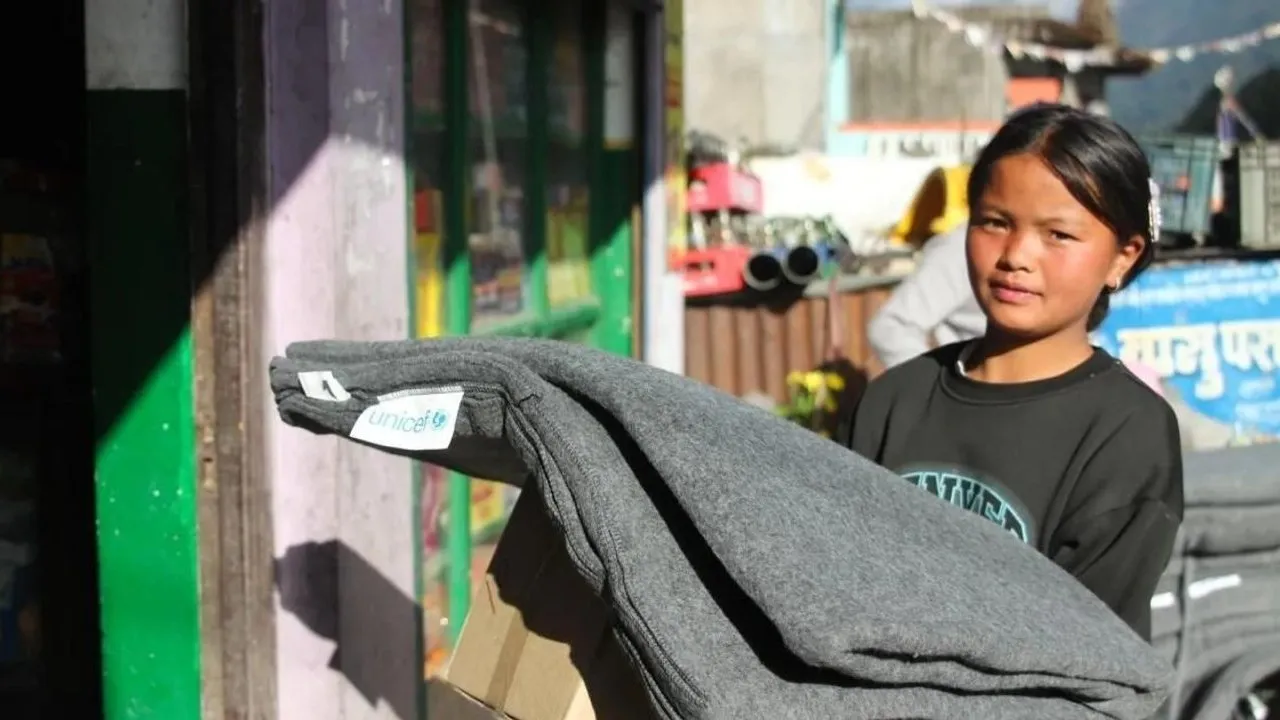
UNICEF has provided warm clothing to 1,472 children and distributed 1,337 thermal blankets, alongside cash assistance, heated learning spaces, and support for newborns and pregnant women.
Winter Support Remains Unfunded
The winterization response includes cash assistance for 10,000 households, approximately 50,000 people; blankets, warm clothing and winter kits; 2,000 newborn kits; heating systems for temporary learning spaces and health facilities; and continued support for climate-resilient recovery and restoration of essential services.
Alice Akunga, UNICEF Representative to Nepal, said:
“UNICEF’s winter support is not simply about keeping children warm. It is about ensuring newborns survive their first months of life, helping children continue learning, protecting health and preventing families from falling deeper into crisis. Investing now will save lives and support recovery.”