PVSC Selects Greasezilla for FOG Recovery at Newark Bay
Passaic Valley Sewerage Commission selects Greasezilla for FOG processing of up to 15 million gallons of grease-trap waste annually at Newark Bay.
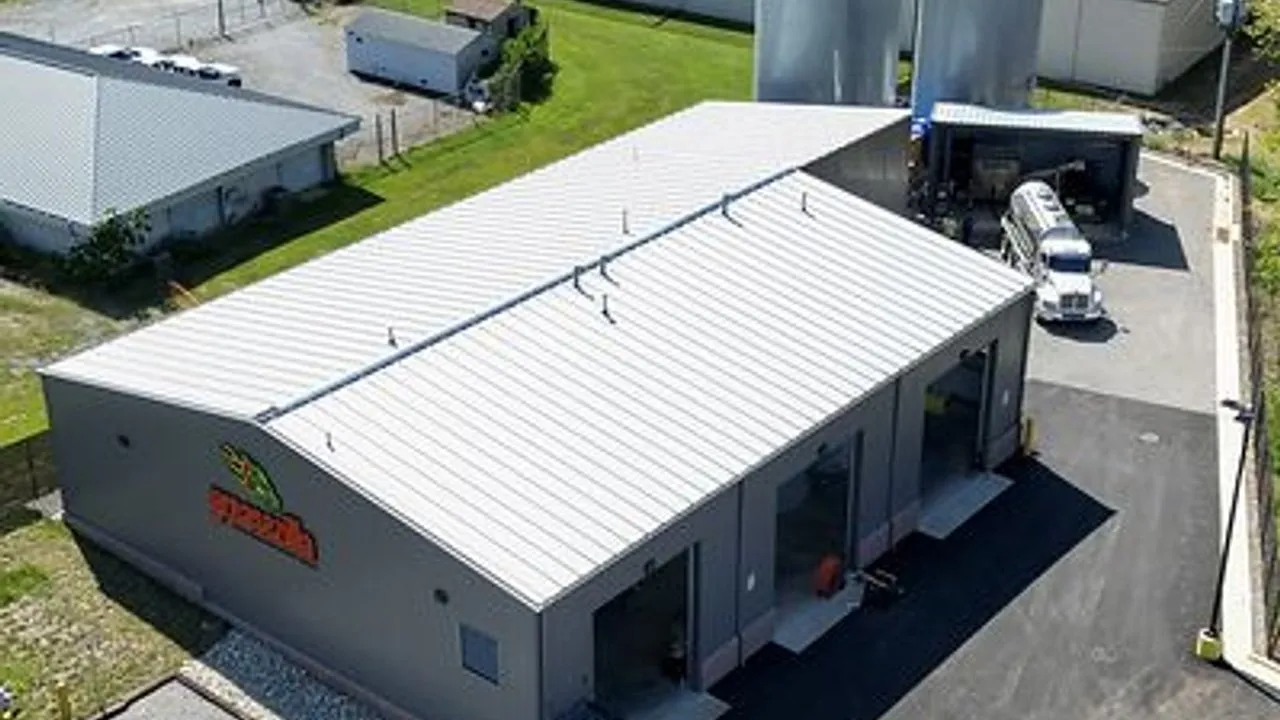
The Passaic Valley Sewerage Commission (PVSC) has chosen Greasezilla to install a fats, oils and grease (FOG) separation and recovery system at its Newark Bay treatment facility in New Jersey. The installation will have the capacity to process up to 15 million gallons of hauled grease-trap waste annually, making it one of the largest systems deployed in the country. Greasezilla, a product and service of Downey Ridge Environmental Company, supplies turnkey infrastructure to receive, process and recover resources from FOG. PVSC made the selection after an extensive review to find an efficient, high-volume solution for managing northern New Jersey’s commercial FOG intake. The plant serves approximately 1.6 million residents across 48 municipalities in Bergen, Essex, Hudson, Passaic, and Union counties.
Built Into the Existing Plant
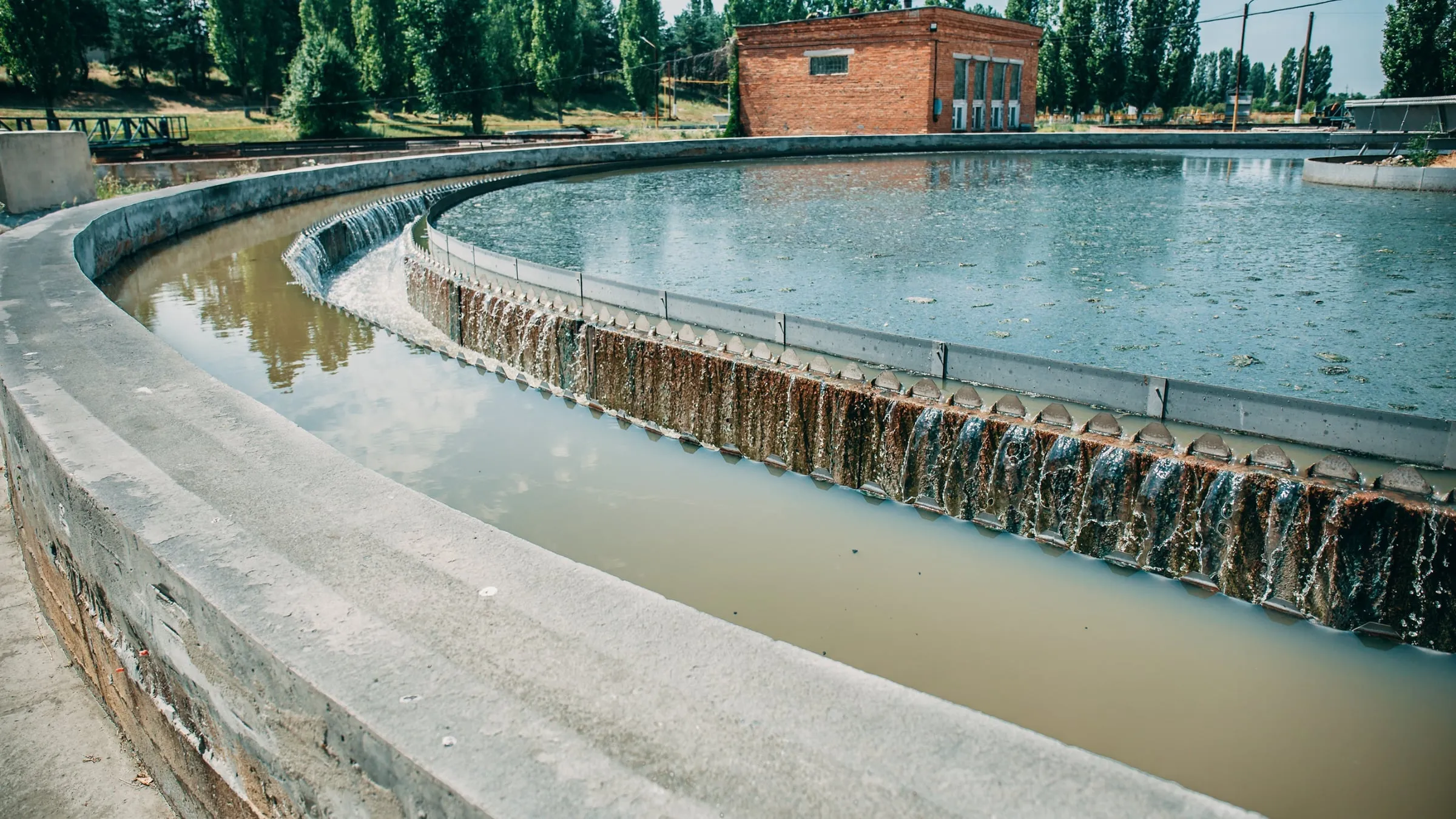
PVSC operates one of the largest wastewater treatment plants in the United States, designed for a capacity of 330 million gallons per day (MGD) with an annual average flow of approximately 226 MGD. Established in 1902 by an act of the New Jersey State Legislature, the commission owns and operates the Newark Bay Treatment Plant, which spans 140 acres in Newark.
The new Greasezilla system will integrate directly into PVSC’s existing plant utilities via its Centralized Steam Boiler System, eliminating the need for a supplementary heating system.
Tom Laustsen, Chief Operating Officer at the Passaic Valley Sewerage Commission, said:
“After a thorough industry review, we selected Greasezilla as the platform for FOG processing and recovery at PVSC.”
“Managing concentrated grease waste is a critical priority for any large-scale utility. By implementing this technology, PVSC is proactively safeguarding our regional conveyance infrastructure, easing operational burdens and costs on our plant, and creating a sustainable resource.”
From Grease Trap to Fuel Feedstock
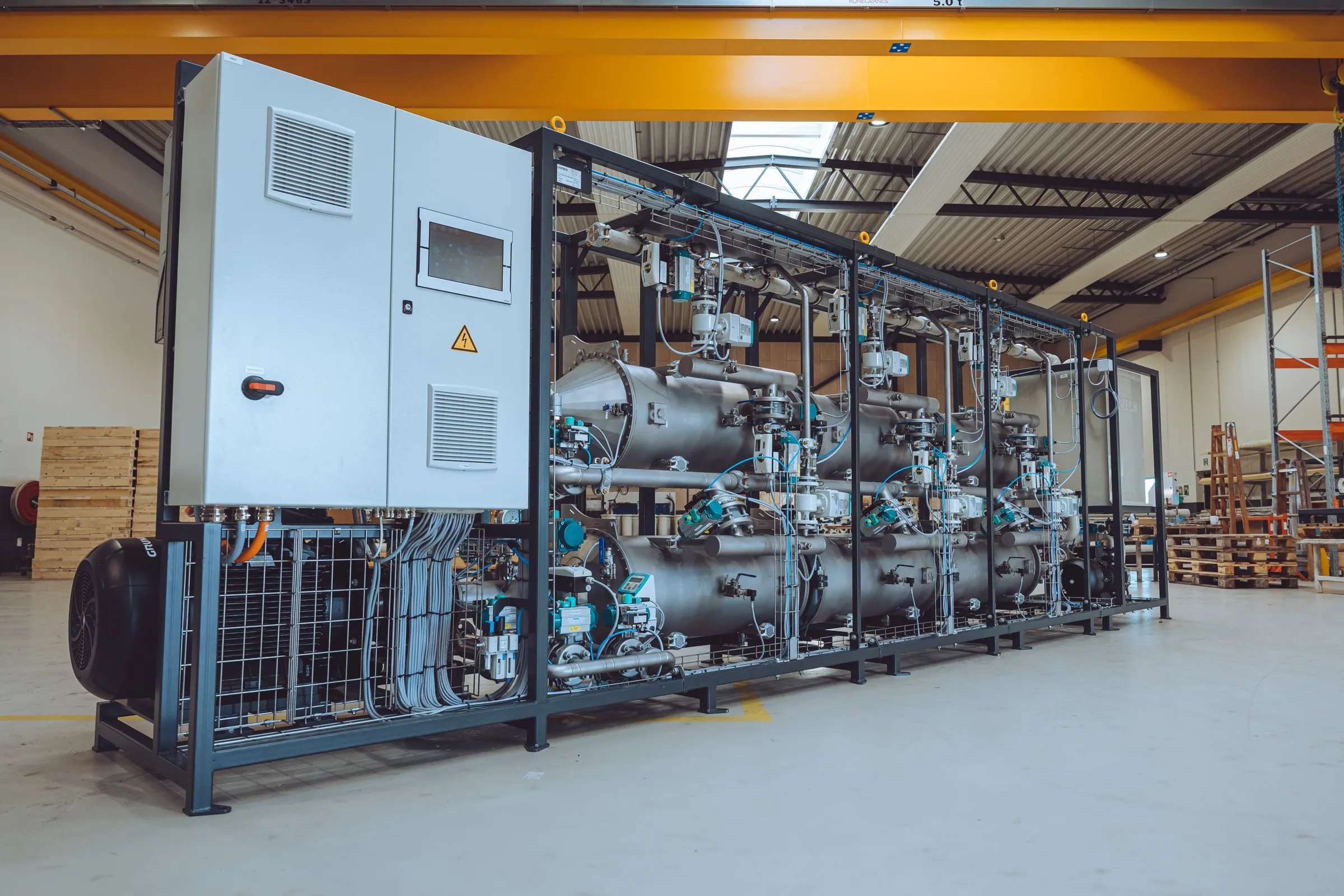
FOG from commercial kitchens and food-service establishments remains a persistent and costly problem for wastewater utilities, causing sewer blockages, sanitary overflows, and chronic equipment fouling. Greasezilla’s separation technology heats and separates raw grease-trap waste into water, pasteurized solids, and clean, low-moisture Brown Grease, all without chemical polymers.
The recovered Brown Grease is a high-grade advanced biofuel (ABF) feedstock that can be used to produce sustainable aviation fuel (SAF) and renewable diesel (RD).
Brian Levine, Executive Vice President at Greasezilla, shared:
“We are delighted to have been selected by one of the country’s most advanced, high-capacity wastewater facilities.”
“This project shows how major regional utilities can address the challenges of FOG processing while recovering valuable resources for renewable fuel production.”
Part of a National Network
The PVSC project brings Greasezilla’s technology into a major regional wastewater facility, complementing the company-owned regional processing hubs at the center of its nationwide rollout. Greasezilla is building a national network of regional FOG processing centers serving municipalities and grease haulers, building on technology already operating at 24 independently owned locations nationwide.
The company’s modular technology processes hauled grease-trap waste without chemicals, recovering materials for use in renewable fuels, anaerobic digestion and composting, and it also provides systems for customer-operated installations.