Evaporation Water Cycle and Where Water Goes Next
See how the evaporation water cycle moves moisture from puddles, lakes, and soil into the air, then helps shape clouds, rain, and daily weather.
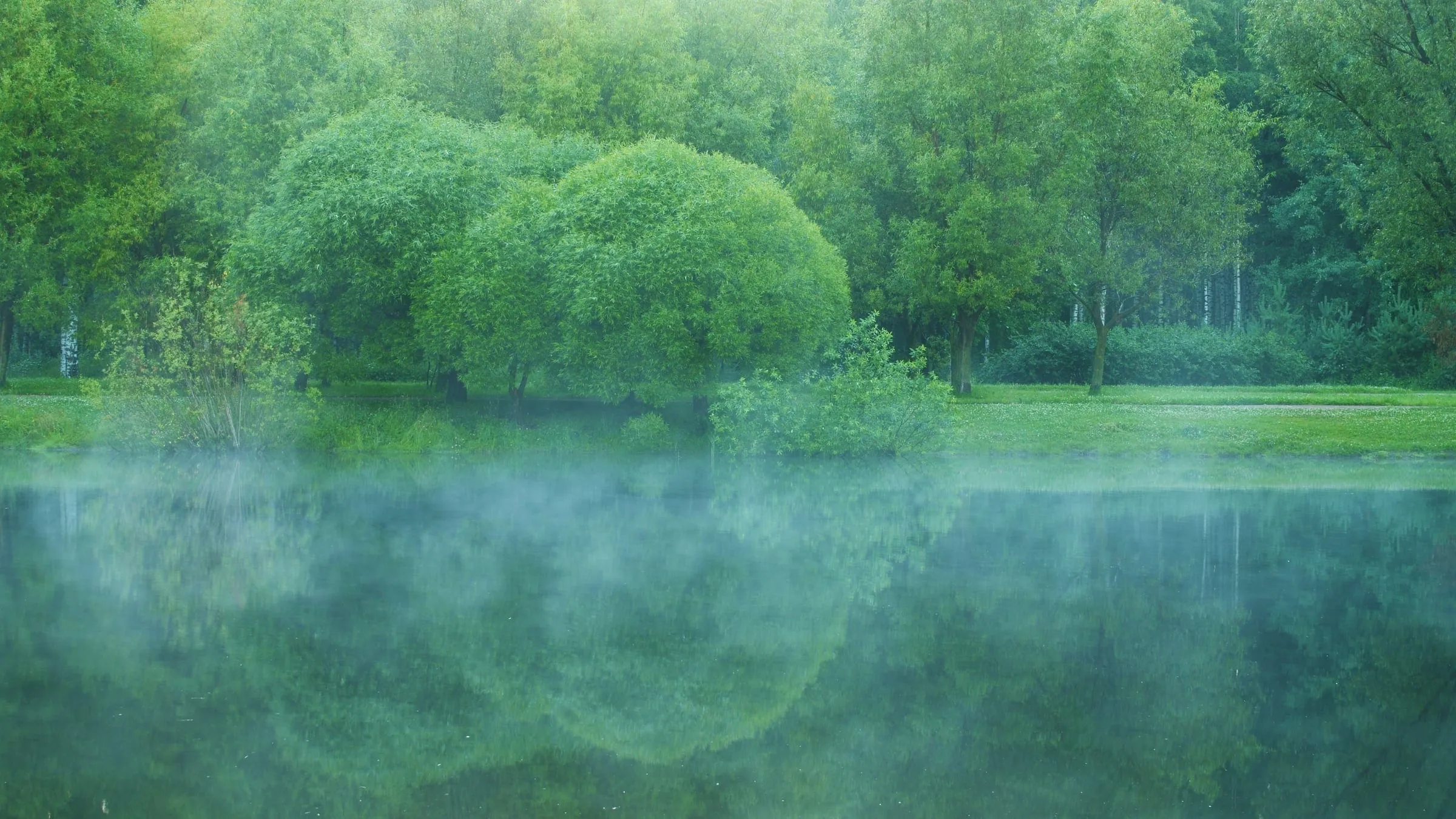
Evaporation in the water cycle changes liquid water into water vapor, carrying it from Earth’s surface into the air. It’s why a sunlit puddle shrinks and wet clothes dry, and it helps move fresh water through clouds, rain, rivers and oceans.
How Evaporation Powers the Water Cycle
Sunlight Starts Water Evaporation
Picture sunshine falling across an ocean, a quiet lake or a shallow puddle after rain. Some of that light bounces away, while some is absorbed and warms the water near the surface. Rivers, damp soil and other wet parts of Earth absorb solar energy in much the same way.
This steady heating supplies the energy that keeps water moving through the water cycle. Water can evaporate without boiling when sunlight heats its surface and gives some molecules enough energy to escape as water vapor. That’s why a puddle can slowly shrink on a warm afternoon even though it never bubbles like water in a pan.
Sunlight may be the most familiar energy source, but water can absorb heat from the surrounding air or a warm surface too. A damp sidewalk, for example, takes in heat from both the sun and the pavement beneath it.
Molecules Escape the Surface
Inside liquid water, molecules are always moving and pulling on one another. As they gain energy, they move faster, bump into their neighbors more strongly and become more likely to overcome the forces holding them in the liquid state.
The molecules at the surface have the clearest route out. They have water molecules beside and below them, but none forming another liquid layer above. Countless tiny escapes gradually lower the amount of liquid left behind.
Evaporation happens at the boundary between water and air, so a whole body of water doesn’t change state at once. Molecules leave one by one, even when the water feels cool to your hand. This quiet movement lifts water from Earth’s surface and begins its journey through the atmosphere.
Where Water Enters the Air
Oceans Supply Most Atmospheric Moisture
Oceans supply most of the water that enters the atmosphere through evaporation. Their enormous exposed surface gives sunlight and moving air plenty of contact with liquid water. Seas and salty coastal waters contribute in the same way, making them the leading moisture source on a global scale.
This ocean water enters the air as fresh water vapor because dissolved salt stays behind. Much of that moisture remains over the sea, while winds carry some toward land. It can then help supply the clouds that bring fresh water to rivers, lakes and communities.
Fresh Water Sources
Inland waters cover less area than oceans, yet they still feed water vapor into the air. Lakes, reservoirs, rivers, wetlands, streams and ponds all lose water from their surfaces. Together, these familiar sources of water make an important regional contribution, especially where open water is widespread.
Moisture also rises from places that don’t look like large bodies of water. Wet soil releases water after rain or irrigation, and droplets can evaporate while rain is still falling. Water spread thinly across leaves, roofs, roads and other surfaces also has plenty of contact with the air.
You can watch these smaller sources at work around home. A puddle becomes narrower at the edges, damp pavement fades in patches, and laundry grows lighter as water leaves the fabric. Each example may seem minor, but similar wet surfaces appear across towns, farms and natural areas.
Even water used by people can rejoin the air. Sprinklers scatter droplets, washed floors dry, and open containers slowly lose water. The source changes, but the movement is the same: liquid water leaves an exposed surface and joins the atmosphere as gaseous water.
Plants Add Water Through Transpiration
How Plants Return Water to the Air
After rain soaks into the ground, plant roots draw water from spaces between soil particles. That moisture moves upward through the stems, reaching leaves along with minerals the plant needs. Some water supports growth and other living processes, while much of it eventually returns to the air.
Leaves release this water through tiny openings called stomata. Liquid water inside the leaf changes into water vapor, then passes through these openings into the atmosphere. This process is transpiration, and you can’t usually see it happening.
Transpiration sits beside evaporation as another route from land to air. Evaporation begins at an exposed wet surface, while transpiration moves water through a living plant first. Together, the two processes can draw moisture from the same patch of ground and add it to the water cycle.
A leafy tree may seem still on a warm day, yet it’s exchanging moisture with the air. Stomata also let carbon dioxide enter for photosynthesis, so water loss is tied to the plant’s daily work. Across forests, grasslands, gardens and farms, this flow adds up.
Evaporation from Soil
Plants don’t take up every drop stored near the surface. Sunlight can warm damp soil, giving some water molecules enough energy to enter the air directly. Bare ground often loses moisture this way faster than shaded soil beneath thick leaves.
Soil evaporation and transpiration often happen side by side. After a garden is watered, moisture may leave directly from exposed earth while nearby vegetables draw water through their roots. Both routes reduce the liquid water held in the soil, but only one passes through plants.
The depth of the water helps decide which route it takes. Moisture near the surface can escape straight into the air, while water farther down may remain within reach of deeper roots. That connection between soil and vegetation keeps living plants linked to the broader hydrologic cycle.
What Controls the Speed of Evaporation
Warmer Temperatures and Water
A sunny patio dries faster than the same surface on a cool, cloudy morning. Strong sunlight supplies more energy, while warm air and warm ground help heat the liquid water. With extra energy, water molecules move faster, and more of those near the surface can escape into the air.
Temperature can change throughout the day, so the rate doesn’t stay fixed. A puddle may shrink quickly during a warm afternoon, then lose water more slowly after sunset. Shade can create a similar difference between two wet surfaces only a few steps apart.
Humidity changes the picture. Dry air can accept more gaseous water, allowing vapor to move away from the wet surface easily. When the surrounding air is already moist, fewer escaping molecules can spread into it, and some return to the liquid. That’s why a wet towel often dries slowly on a muggy day.
How Wind and Surface Area Speed Drying
Moving air carries water vapor away and replaces it with drier air. A breeze can dry a rain soaked path or a shirt faster than still air, even when the air temperature remains unchanged. Stronger wind generally increases this effect, provided it brings air that isn’t already saturated.
The amount of exposed area matters too. Water spread across a wide, shallow tray evaporates faster than the same amount in a narrow glass because more molecules touch the air. A crumpled wet shirt takes longer to dry than one opened fully on a line for the same reason.
You can use these effects when drying laundry. Spacing clothes apart exposes more damp fabric, while placing them near moving, dry air helps carry moisture away. Indoors, a warm room may still leave clothes damp for hours if humid air gathers around them without ventilation.
Water Vapor Changes into Clouds
Condensation Brings Another Change
As water vapor rises, it enters cooler parts of the atmosphere. Its molecules lose energy and move more slowly. When the air cools until it can’t hold all its vapor, some of that gas changes back into liquid water.
You can picture condensation on a cold drink. Water vapor in the nearby air cools against the glass and forms beads of liquid on the outside. The drink hasn’t leaked through the glass. The moisture came from the air.
Dew forms in a similar way. After sunset, grass and other surfaces lose warmth. Air touching those cool surfaces may reach the point where water vapor condenses into tiny drops. By morning, a lawn can look freshly sprinkled even when no rain fell overnight.
Clouds in the Water Cycle
Higher in the atmosphere, condensation usually begins around tiny floating particles such as dust, salt or smoke. Water molecules collect on these particles, creating droplets so small that moving air can keep them aloft. In colder air, water may gather as ice crystals instead.
A single cloud contains an enormous gathering of these minute droplets or crystals. From the ground, they seem to blend into one soft shape because light scatters through the crowded particles. Winds push and reshape the cloud while rising air continues to supply cooling water vapor.
Clouds can form wherever moist air rises and cools enough for condensation. Warm air may lift over hills, rise above heated ground or slide upward when it meets a colder air mass. Each route carries moisture into conditions where liquid droplets can appear.
Condensation may also happen close to Earth’s surface. Fog forms when tiny water droplets gather in air near the ground, reducing how far you can see. It’s essentially a low cloud, created by the same cooling and condensation that shape clouds higher in the sky.
Water Returns Through Rain and Snow
Precipitation in the Water Cycle
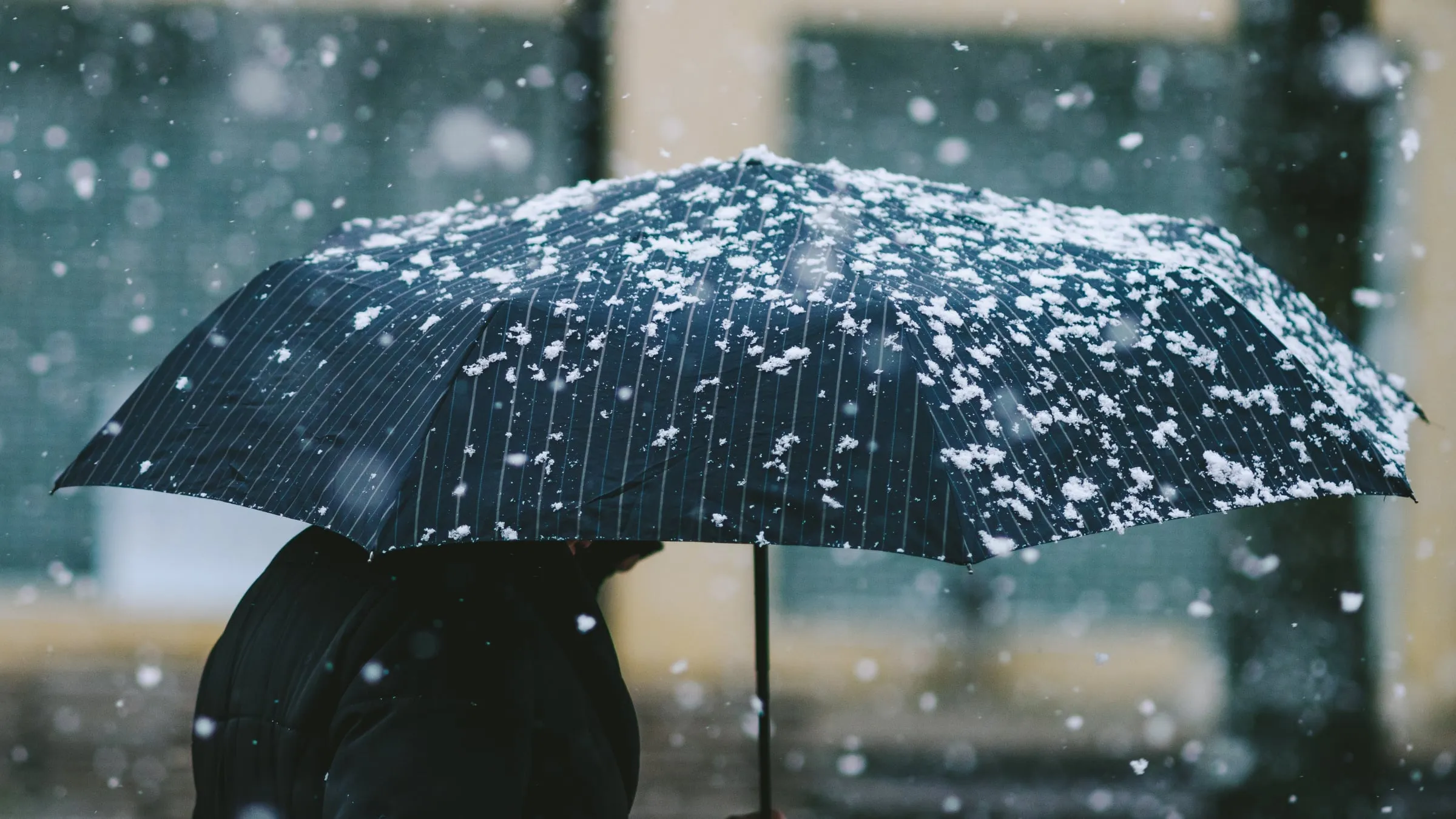
Inside a cloud, water droplets collide and join, while ice crystals can grow as vapor freezes onto them. Air currents hold these particles aloft for a time. Once they become too heavy for the moving air, gravity pulls them toward Earth as precipitation.
Their form depends on temperatures inside the cloud and along the route to the surface. Liquid drops arrive as rain. If rain freezes on contact with cold roads, trees or power lines, it becomes freezing rain, often leaving a smooth coating of ice.
Frozen particles can take several other forms. Sleet reaches the ground as small ice pellets after melted snowflakes freeze again on the way down. Snow falls when ice crystals remain frozen and gather into flakes, while hail forms as lumps of ice inside powerful storm clouds.
Surface Runoff and Groundwater
Once precipitation reaches land, gravity keeps the water moving. Some collects in puddles, ponds, wetlands and lakes. Some flows downhill as surface runoff, spreading across fields and streets before entering ditches, streams and rivers.
The route depends partly on the ground below. Loose soil, cracks and plant roots let water soak beneath the surface through infiltration. From there, it can move deeper through spaces in soil and rock, adding to groundwater stored in water bearing layers.
Hard ground changes the path. Concrete, rooftops, frozen soil and packed earth absorb little water, so rainfall moves across them more quickly. Heavy rain can also run off when soil is already soaked, sending more water into nearby channels and sometimes causing floods.
Streams join larger rivers, which may carry fallen water into lakes or the ocean. Groundwater moves much more slowly, pushed downward and sideways by gravity and pressure. It may later feed a spring, seep into a river or discharge into the sea.
Ice Takes Different Routes Through Air
Water Stored as Snow and Ice
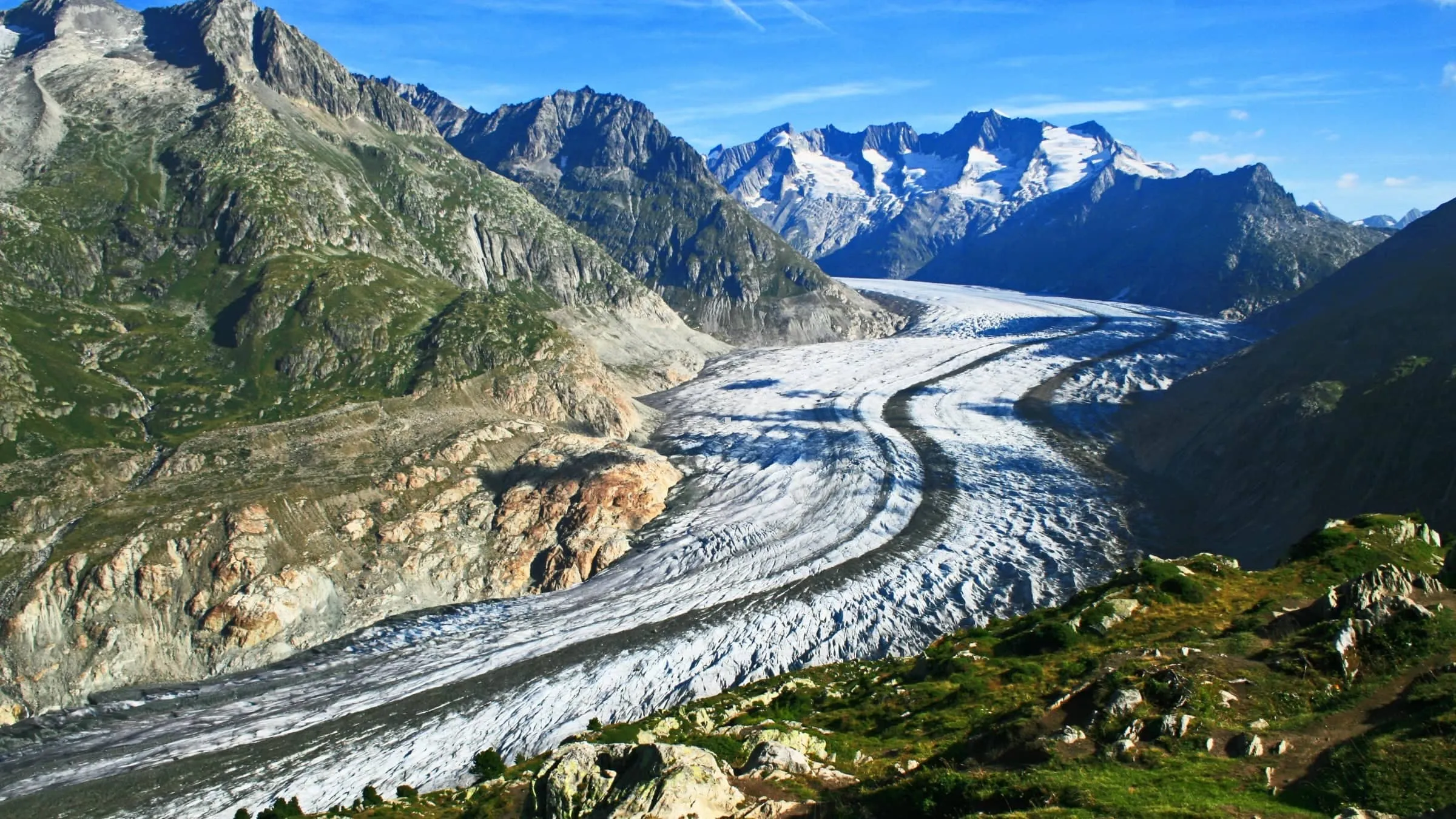
Snow on a garden may last days, while mountain snowpack can hold water through an entire cold season. Glaciers store it much longer, creeping slowly downhill as compacted ice. Frozen ground locks moisture near or below the surface, and sea ice holds ocean water until warmer conditions melt it.
These frozen stores release water at different rates. A spring thaw can send snowmelt into soil and streams within weeks, while glacier ice may remain trapped for ages. Permafrost can keep ground frozen across many seasons, although its upper layer may thaw and freeze again each year.
Ice doesn’t always melt before entering the air. During sublimation, molecules escape directly from snow or ice as water vapor. You might notice a snowbank slowly shrinking on a cold, dry, windy day even though little liquid water appears nearby.
The reverse route is deposition. Water vapor changes directly into solid ice when it meets a cold enough surface. Hoar frost, with its feathery crystals on grass, branches or fences, forms this way and returns atmospheric moisture to the frozen part of the water cycle.
Greenland and Antarctica
Greenland and Antarctica hold vast ice sheets built from snowfall compressed over long periods. Water stored there moves far more slowly than water in a river. Snow settles, becomes dense ice and gradually flows toward the coast under its own weight.
At the edges, ice can melt into liquid water or break away into the ocean as icebergs. Some surface snow and ice also returns straight to the atmosphere through sublimation. Fresh snowfall and deposition add frozen water again, although gains and losses vary with weather and climate.
Sea ice around these regions follows a shorter seasonal rhythm, forming when ocean water freezes and melting when conditions warm. Its bright surface reflects much of the sunlight that reaches it, so changes in frozen cover can affect nearby air, ocean temperatures and weather.
Evaporation Shapes Oceans Weather and Climate
Salt Left at the Surface
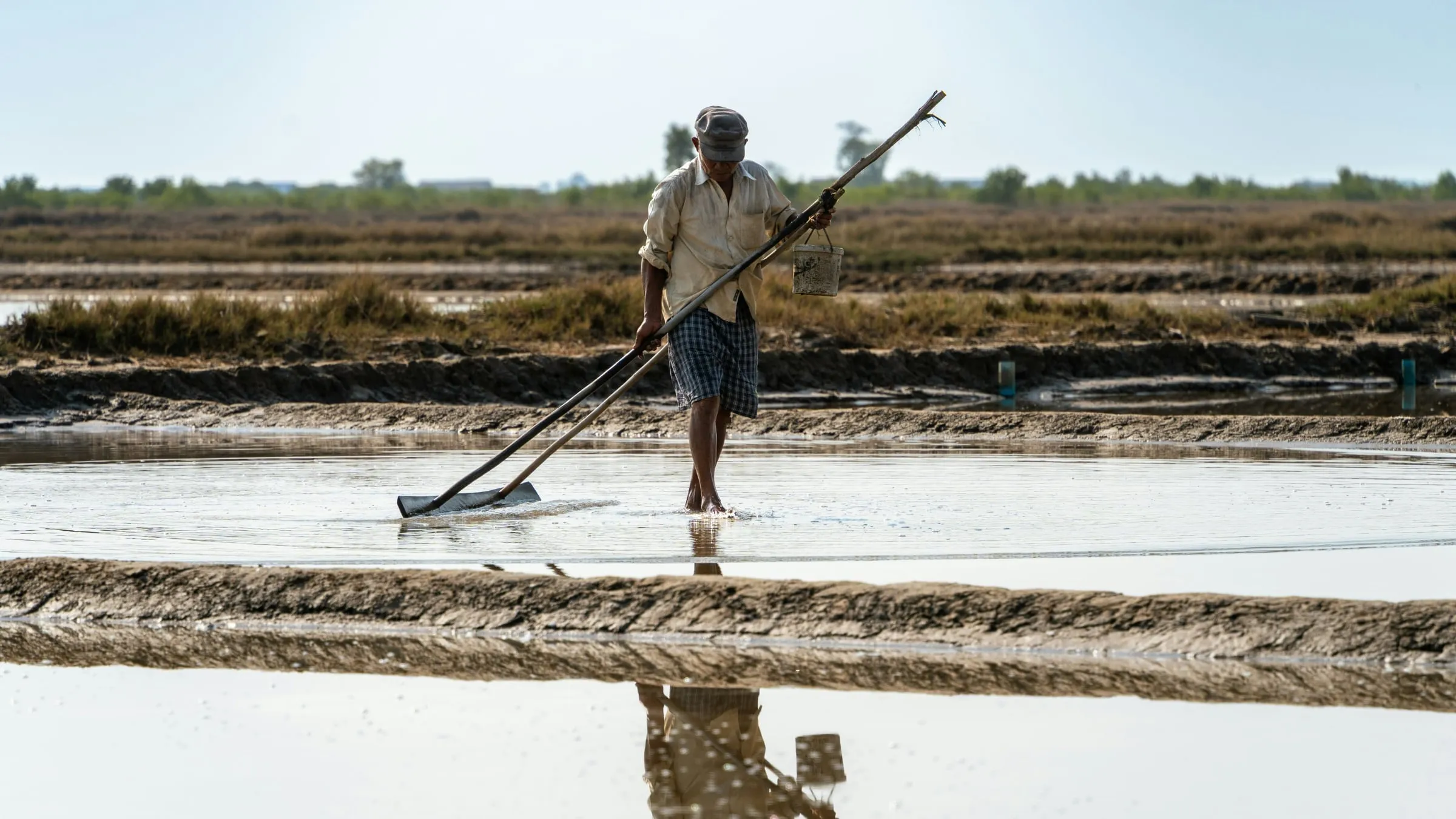
Picture seawater drying in a shallow pool. The water molecules escape, but dissolved salts and minerals stay behind, making the remaining liquid saltier. People have used this simple effect in evaporation ponds for thousands of years, collecting salt after the water disappears.
Across the ocean surface, evaporation can change salinity from place to place. Sunny, dry regions may lose water quickly, while rainfall, rivers and melting ice dilute nearby seas. These differences affect water density and can help move ocean water between regions and depths.
Closed basins can become especially salty because they have no river carrying dissolved minerals away. Water flows in, then mainly leaves through evaporation. Over time, salts build up, sometimes producing water too salty for many forms of life.
Cooling in the Water Cycle
Evaporation takes heat from its surroundings. Escaping water molecules carry energy away from the surface, cooling the water and nearby air. You feel a similar effect when sweat evaporates from your skin, especially when a breeze keeps moving moist air aside.
Across oceans and other bodies of water, this cooling helps shape temperatures near the surface. The amount of heat removed varies with sunshine, wind and humidity, so changing evaporation rates can influence local breezes, cloud growth and larger weather patterns.
Evaporative coolers put the same effect to work at home. A fan draws hot, dry air through a wet pad, where evaporation cools the air and adds moisture. These coolers work best in dry climates because humid air accepts less vapor.
Climate Changes and Water
Climate change can shift evaporation by changing air temperature, wind, humidity and the warmth of the land surface and ocean. Warmer conditions often increase water loss where moisture is available. In dry areas, that faster loss can pull more water from soil, lakes and reservoirs, adding pressure to the local water supply.
Extra water vapor can also affect clouds, precipitation and storms. The outcome varies by place because winds move moisture between regions, and warmer air can hold more of it. Some areas may face heavier downpours, while others experience longer dry periods between rains.
Changes in snow, glaciers and sea ice alter the timing and location of water movement too. Earlier snowmelt can leave less water available during warm months, while shrinking ice exposes darker surfaces that absorb more sunlight. These shifts can influence ocean temperatures, weather patterns and the balance between evaporation and precipitation.
People change this movement as well. Irrigation, dams, reservoirs and groundwater pumping move water between storage places and expose new surfaces to the air. Tracking evaporation alongside rainfall, streamflow and the water table helps communities plan for drought, floods and changing seasonal supplies.
Where Water Goes After Evaporation
Transport Through the Water Cycle
Once water vapor enters the atmosphere, winds carry it across oceans and land. You can watch part of this transport when clouds cross the sky. At times, moisture gathers into long, narrow atmospheric rivers that deliver water far from its source.
These moving bands can link a warm ocean with mountains or valleys hundreds of miles away. When air meets high ground, it’s pushed upward, which can concentrate rain or snow on one side while leaving the other side drier.
A water molecule that left the ocean may soon reach a forest, farm, city reservoir or mountain snowpack. Its destination depends on winds, terrain and weather systems, so its route may bend, reverse or cross great distances.
Evaporation Begins Again
After reaching land, water moves through connected local systems. A hillside drains toward a creek, the creek joins a river, and the river carries water beyond the area where the rain fell. Water moving below ground can join that river later, helping maintain its flow between storms.
Plants, animals and people briefly redirect some of this supply. Roots take up soil moisture, animals drink from streams, and homes or farms draw from rivers, reservoirs and wells. Much of that water eventually returns to soil, waterways or the atmosphere, though sometimes in a different place.
The route can be short enough to notice outside your window. Rain darkens the pavement, water slips toward a drain, and the remaining patches later disappear. Elsewhere, water may pause for years in a lake, deep underground, or as snow and ice.
Whenever liquid water becomes exposed to air again, evaporation offers another route upward. The cycle has no single starting point or fixed track. Atmospheric transport, land flow, underground movement and repeated changes of state keep water circulating among the sky, surface, living things and ocean.