ICRC Adds Boreholes For Displaced Families In Nigeria
Reliable water access in Gwoza and Biu is helping displaced families spend less time queuing and improve hygiene.
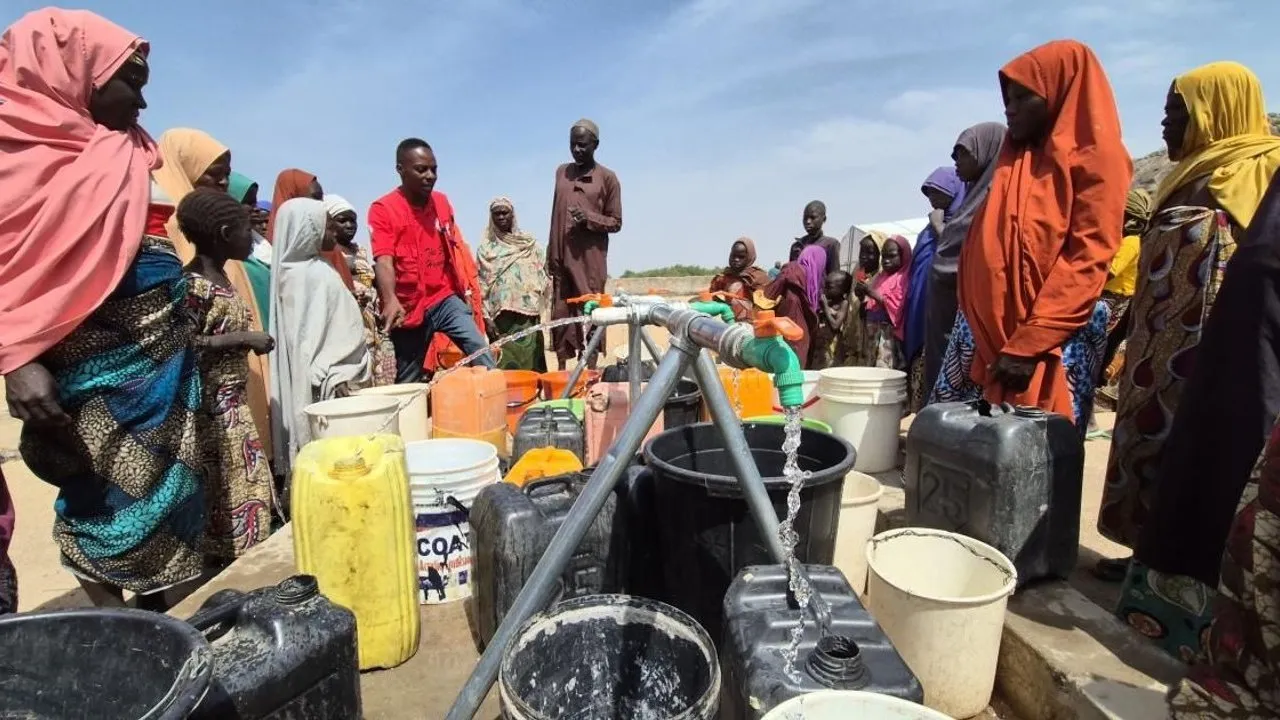
The International Committee of the Red Cross, supported by the Nigerian Red Cross Society, has installed new boreholes and rehabilitated water points in Gwoza and Biu, northeast Nigeria. The work serves displaced people in camps and host communities affected by conflict. Residents report shorter walks and queues, more water for household use and improved hygiene. Reliable water access is also helping families spend more time on school, farming and income-generating activities.
More Time For Families
Before the new boreholes, families often queued for hours and returned home with only enough water for drinking and cooking. Water collection delayed school attendance and limited time for caring responsibilities, farms and small businesses.
Hauwa, a mother of seven, said:
“Life is easier now. There is enough water for our families, and the long queues have disappeared.”
Water Access Within Camps
For residents of displaced persons camps, collecting water previously meant leaving the camp and carrying heavy containers along uncertain routes. For many residents, especially women, children, older people and people with disabilities, these journeys carried significant risks.
Buba Zadva, displaced persons camp resident, said:
“The struggle is no more. We now get water right here for our families, even our livestock have enough.”
Hygiene And Recovery
In Biu displaced persons camp, the new borehole has given families water to wash hands, clean utensils and maintain latrines. Health workers have reported fewer cases of diarrhea and skin infections since it began operating.
Ummi, a mother of three, said:
“We clean the latrines, wash our plates, and keep the camp tidy.”
Supporting A Stable Future
In Gwoza, with consistent access to safe water, families can keep their homes cleaner, support healthier living conditions and dedicate more time to farming, trading and other productive activities. For displaced families, the boreholes provide a basic service that supports daily recovery and community life.